Why your favourite vehicle DESERVES professional verification
It happens faster than you think.
You are standing in front of a vehicle. The lines. The sound of the engine. The story.
One look and you know: That's him.
At this moment, it is not the head that decides.
It's the feeling that decides.
And this is where the most expensive mistakes in the collectors' market begin.
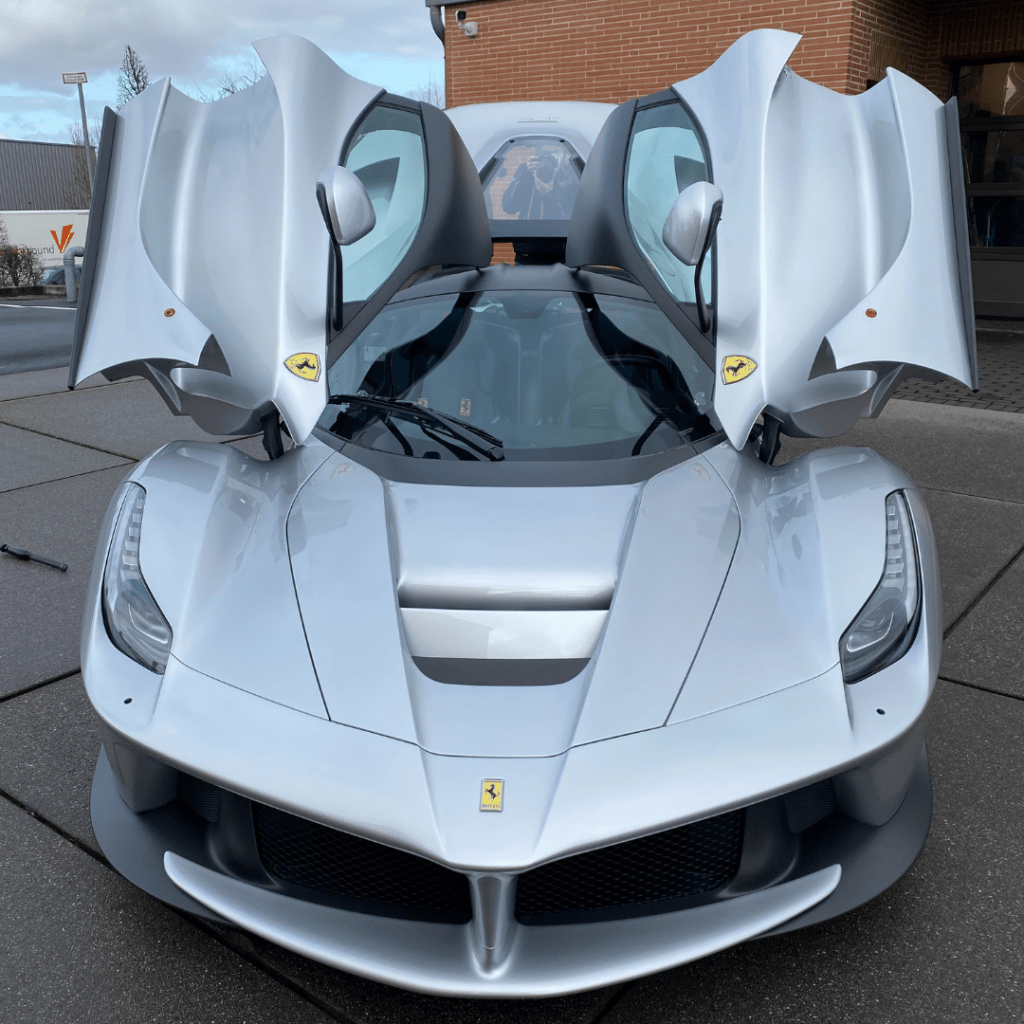
When emotions buy and reality cashes in later
Passion is not a bad thing. On the contrary: it is the reason why we love our cars.
But in everyday vehicle valuation, we see the same pattern again and again:
A buyer falls in love with a vehicle.
The story sounds coherent. The presentation is convincing.
There may even have already been „an inspection“.
Months later, the first problems emerge:
Structural weaknesses, signs of technical stress, non-original components or inconsistencies in the history.
Suddenly, the focus is no longer on enjoyment but on loss of value, legal issues and uncertainty.
The error does not occur during purchase.
It happens with what was previously not tested was.

What we see again and again in practice (anonymised cases)
Without naming names:
We have tested vehicles that felt „right“ and yet carried massive risks.
Just as we have experienced cars in which emotion and technology were in harmony for once.
The difference was never in the gut feeling.
The difference always lay in the Verification.
A professional examination does not mean destroying romance.
It ensures that the story you fall in love with also stands up to the truth.

How KUKUK protects emotion and investment
Our work begins where the feeling ends:
in terms of structure, originality, technical consistency and documentable substance.
We don't just check whether a vehicle „looks good“,
but whether it is legally, technically and economically viable.
So the love for the vehicle remains
without later paying the price for untested assumptions.
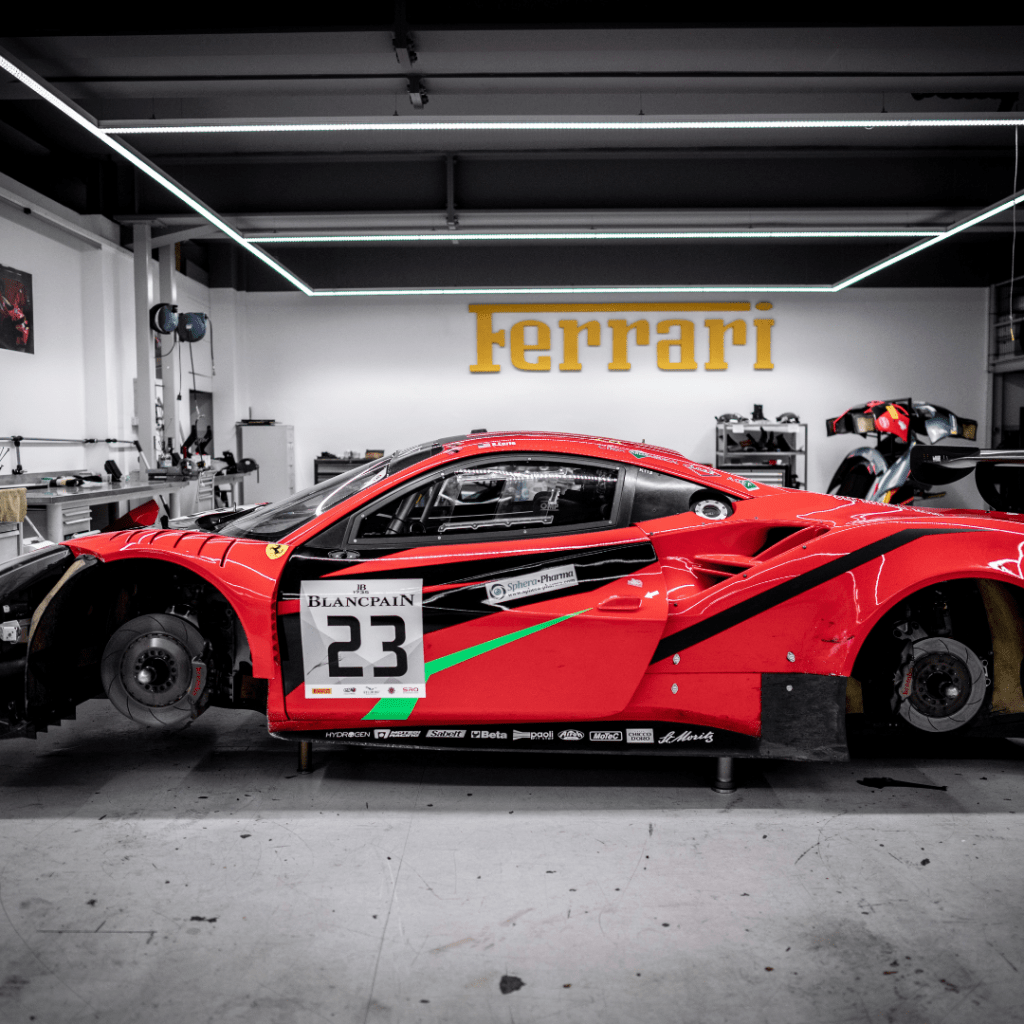
Key Takeaways
- Passion is a good starting point but not a protective mechanism.
- The biggest losses are caused by what has not been checked before purchase.
- Verification not only protects money, but also trust.
- Good vehicle testing preserves the romance instead of destroying it.
- Automobiles deserve the same care as any other valuable asset.
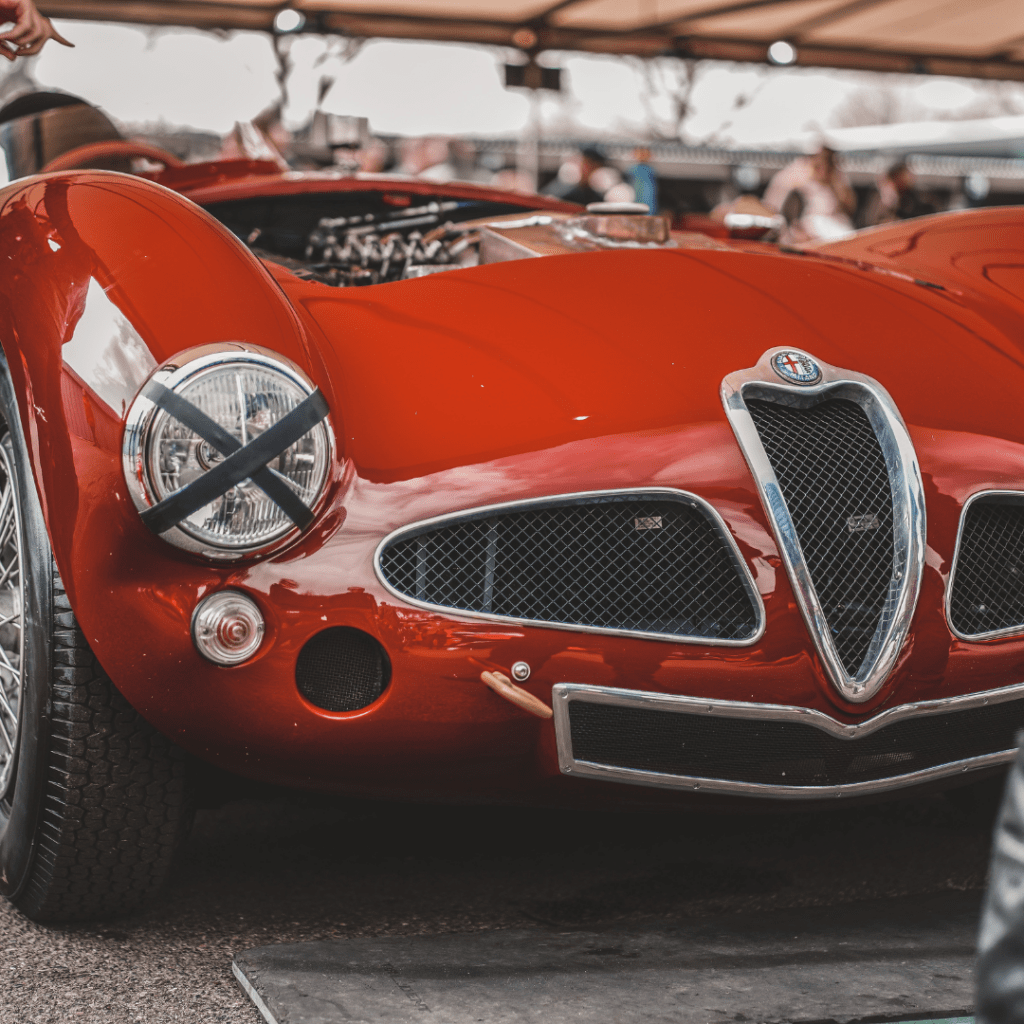
Conclusion
Falling in love with a car is human.
Securing this decision is professional.
When you buy classics, you're not just buying sheet metal
but history, responsibility and value.
Fall in love with pleasure.
But verify before you commit.
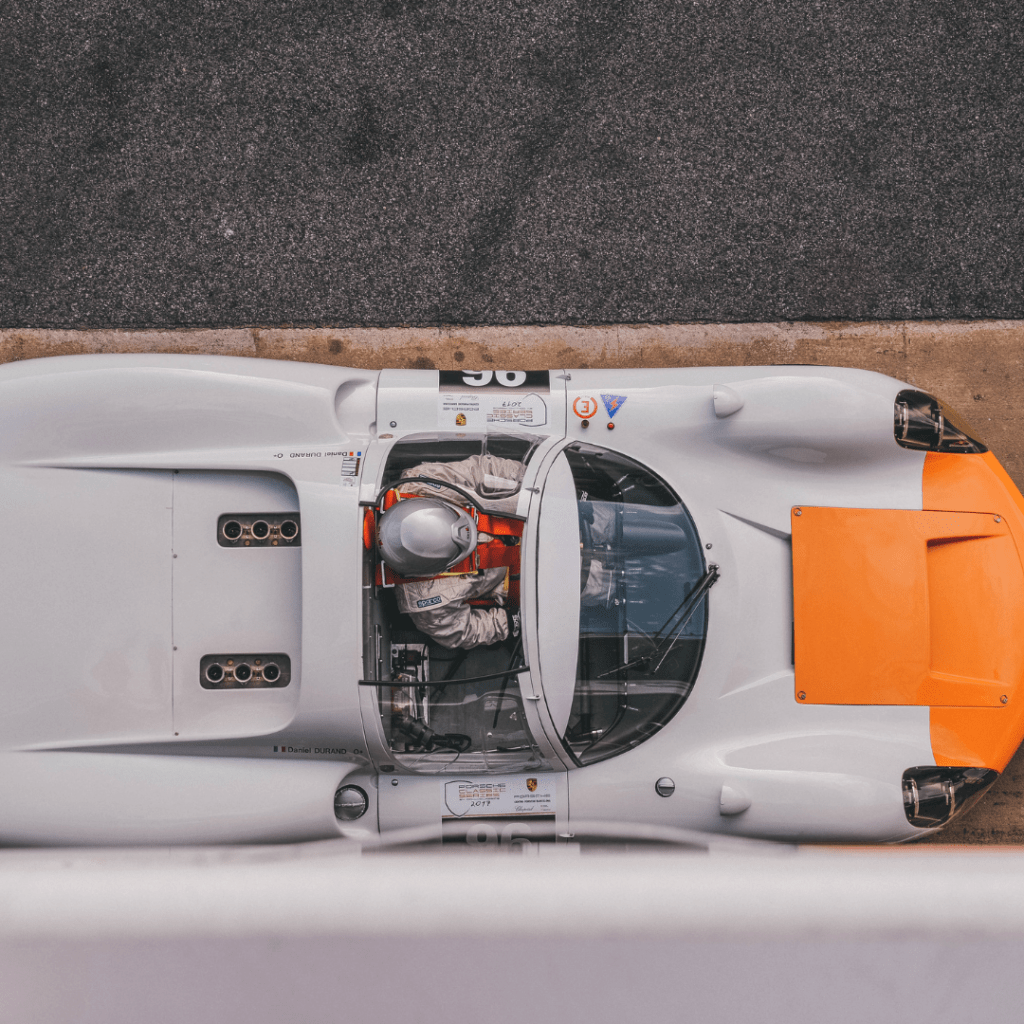
FAQ Frequently asked questions about the verification of classic cars
Why is a brief inspection not enough?
Because many relevant risks (structure, material fatigue, previous repairs) are not visible. They only become apparent through technical testing methods.
Isn't a professional inspection a bit much if the car looks good?
Visually appealing vehicles often hide undiscovered problems. The visual impression is not a reliable indicator of substance.
Can an inspection affect the value of a vehicle?
Yes, in both directions. It protects against bad purchases and, with good results, can secure or even strengthen the market value.
Whom is verification useful for?
For buyers, collectors, investors, and anyone who wants to enjoy their vehicle long-term without unpleasant surprises.
When is the best time for an exam?
Before buying or before an auction.
After purchase, it is usually too late to avoid risks.
Are you planning to buy a classic car?
Let's check before emotions have consequences.


 German
  English
  Italian
  French
  Spanish